Indexed001
Newsletter Intelligence
scribem8.com
Curated newsletter and editorial corpus — semantic search across writers, topics and trends.
12.8M
chunks
1536
dims
cosine
metric





NeuralDreams turns high-signal corpora into AI-ready vector data — cleaned, embedded, and indexed for retrieval. Consume it however your stack prefers: query it online, download the index, or hit the API.
Every dataset moves through the same disciplined pipeline before it ever reaches you.
Source data is cleaned, deduplicated and chunked, then embedded with domain-tuned models into dense vectors.
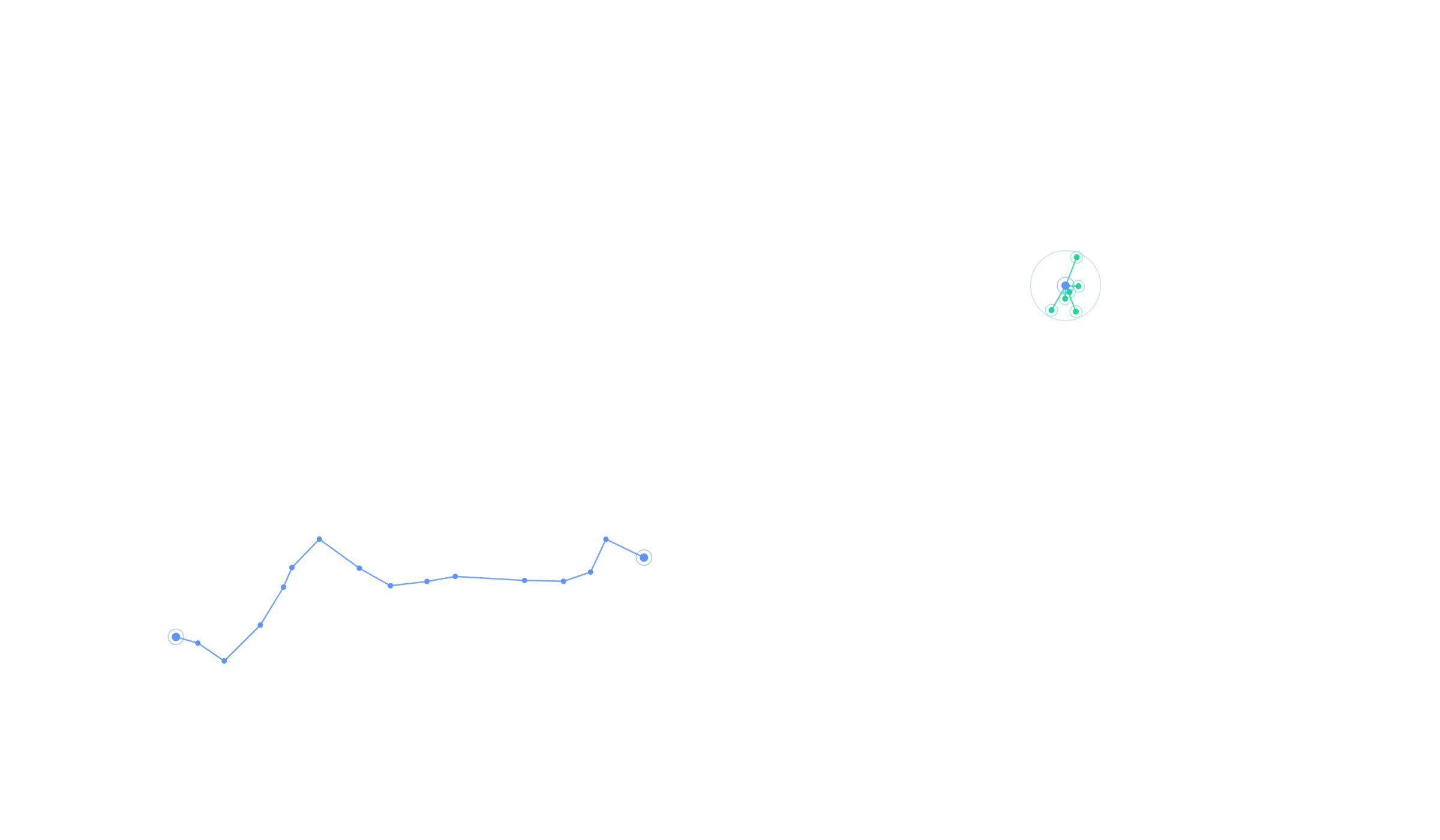
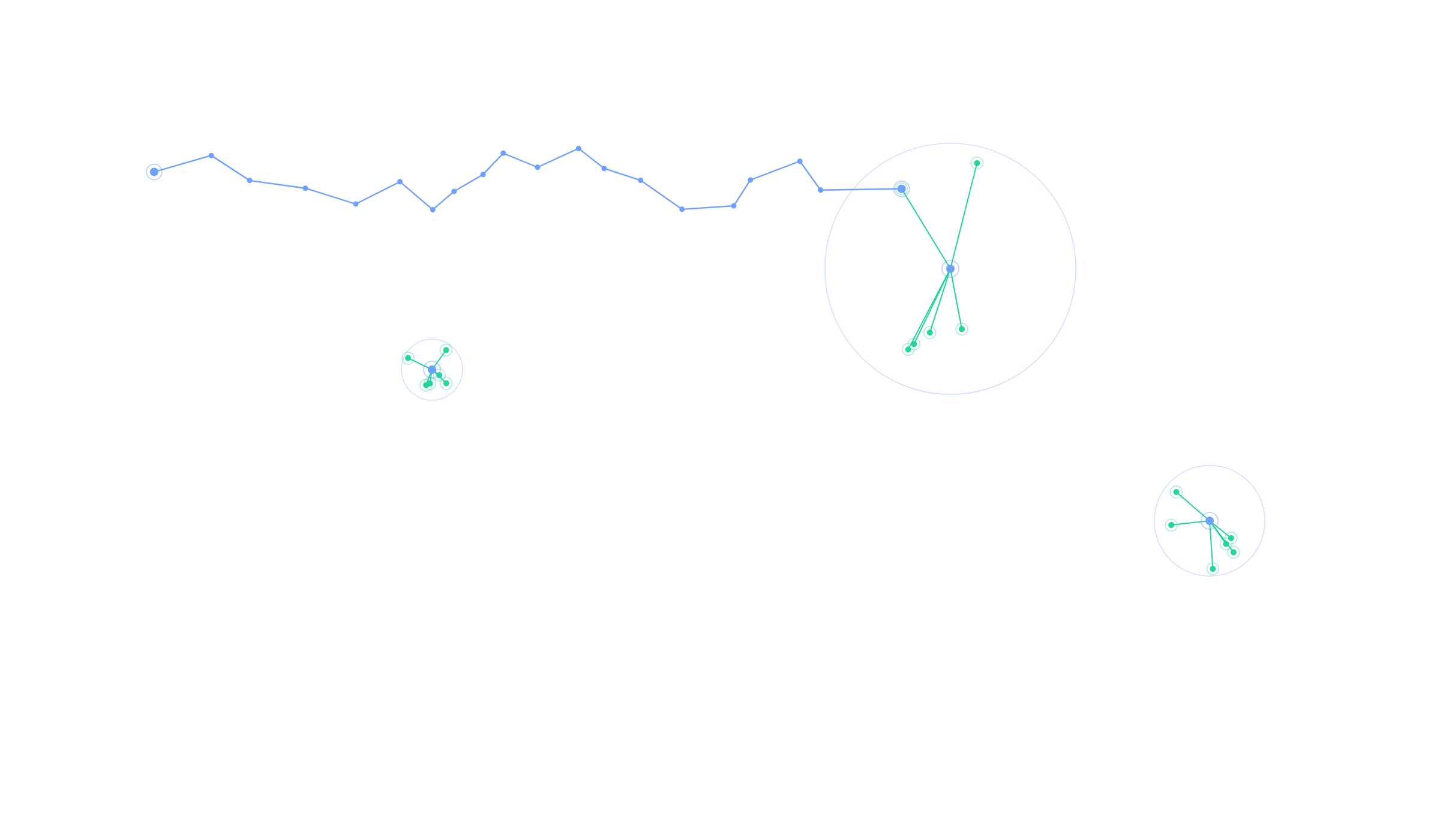
Vectors are assembled into a hierarchical navigable small-world (HNSW) graph, tuned per dataset for recall and latency.
Approximate nearest-neighbor search returns the most relevant vectors in single-digit milliseconds — online, on disk, or over the wire.
Cleaned, chunked, embedded and indexed. Plug one into your RAG stack the moment you get access — no pipeline to build.
Curated newsletter and editorial corpus — semantic search across writers, topics and trends.
Original equipment manuals, spec sheets and service docs — vectorized for technical retrieval at scale.
A live registry of production AI agents — searchable by capability, interface and deployment surface.
FDA drug labels, NDC directory, recalls, shortages and weekly acquisition-cost pricing — cross-resolved to RxNorm ingredients and vectorized for pharmacy-grade retrieval. OTC and private-label equivalence as first-class signal.
Pipeline incidents, facility compliance, orphan-well liability and chemical disclosures, resolved to the operator level. In research; no committed eta.
Need a corpus we don't list yet? We vectorize bespoke sources on request.
Tell us what you need →Pick the surface that fits your workflow — or mix them. The underlying vectors and index are identical.
Search any dataset from the browser — no setup. Tune k, filters and metrics in a live console and copy the request straight into your app.
Pull a versioned HNSW index plus its backing-DB bundle. Run it next to your app — fully offline, air-gap friendly, your data never leaves.
Skip the infra. Query our managed vector store over a single authenticated endpoint, with SDKs and usage-based pricing that scales on demand.
Tell us your use case and we'll set you up with a dataset, an index, or an API key — plus a short demo.